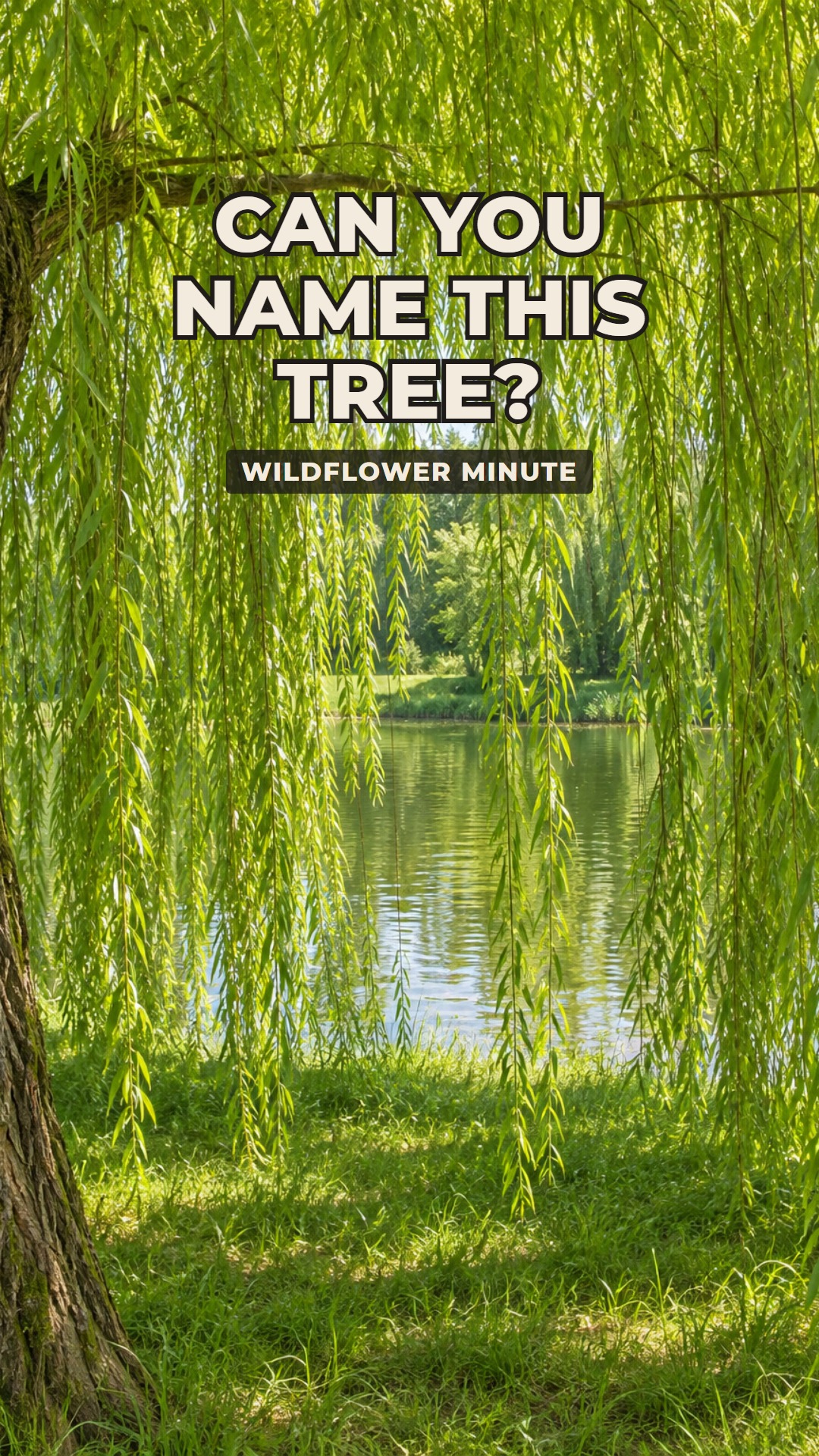
Weeping willow
Salix babylonica
BloomEDU
Identify it today. Know it next time.
BloomEDU can suggest a name from a plant photo, and later ask if you still know it.
Get BloomEDUiOS · Android
From Instagram
Identity & Classification
Scientific name: Salix babylonica
Verified common name: weeping willow (also called Babylon willow)
Family: Salicaceae
Genus: Salix
Taxonomic note: many cultivated weeping willows are S. babylonica or close hybrids; cultivated forms often include hybrids such as S. × sepulcralis (a hybrid between S. babylonica and S. alba).
Visual Description
Overall form: a medium- to large deciduous tree with a characteristic fountain-like habit created by long, pendulous (weeping) branches. It typically develops a broad, rounded crown with drooping branchlets.
Size: typically reaches mature tree proportions (commonly tens of feet/meters in cultivation) and can form a substantial canopy.
Flowers: reproductive structures are catkins rather than showy petaled flowers. Catkins are borne in spring, often before or as leaves emerge. Salix species are generally dioecious, with individual trees producing either male or female catkins.
Leaves: leaves are slender and lance-shaped with finely serrated margins, arranged alternately along twigs. They are usually green above and paler beneath; young leaves and shoots may show fine hairs.
Distinctive features: unmistakable drooping branches and narrow, serrated leaves; small spring catkins; smooth bark on young branches becoming more furrowed with age. The species commonly produces root suckers and vigorous basal shoots.
Seasonal variation: spring catkin display followed by rapid leaf-out; summer provides dense, pendulous foliage; leaves typically senesce and drop in autumn.
Habitat & Distribution
Growing conditions: typically found in moist to wet sites, often along streams, rivers, floodplains, ponds and other riparian areas. Prefers full sun to partial shade and soils that remain moist; tolerates a range of soil types but often thrives in loamy, silty substrates.
Geographic distribution: recorded in Alaska, Alabama, Arkansas, Arizona, California and 36 additional U.S. states, indicating a wide distribution in cultivation and naturalized occurrences across much of the United States.
Ecological niches: often a pioneer or early-colonizing tree on disturbed, wet substrates and riparian edges.
Ecological Role
Pollinators: willow catkins are an important early-season source of pollen and nectar for bees and other insects; willows are well-documented as valuable early forage for pollinators.
Wildlife interactions: provides cover and nesting sites for birds; shoots and foliage are sometimes browsed by deer and other mammals; woody stems and bark are used by beavers and other animals. Seeds have fine hairs that aid wind dispersal but are relatively short-lived.
Ecosystem function: stabilizes stream banks and contributes to riparian vegetation structure; rapid growth and extensive roots influence local hydrology.
Conservation & Interesting Facts
Unique adaptations: rapid growth, easy propagation from cuttings, and a root system adapted to colonize and stabilize wet soils.
Interesting fact: many of the iconic “weeping” forms in cultivation are the result of selection and hybridization, so plants sold as weeping willow may represent S. babylonica or related hybrids.