shameplant
Mimosa pudica
BloomEDU
Identify it today. Know it next time.
BloomEDU can suggest a name from a plant photo, and later ask if you still know it.
Get BloomEDUiOS · Android
From Instagram
Do you know shameplant?
Three questions from BloomEDU's question library for this plant. Pick an answer, or open Show the answer, to see why.
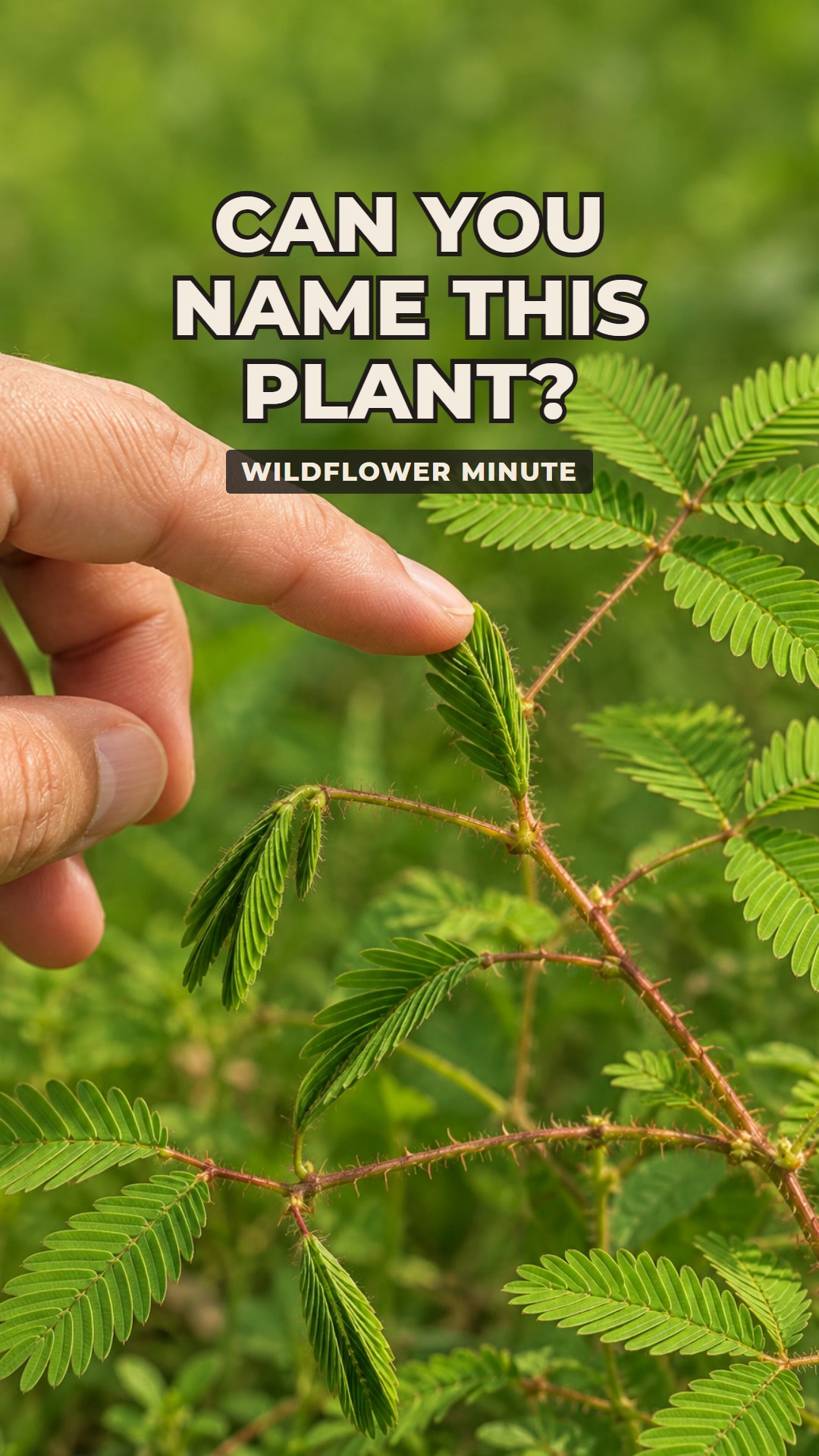
What distinctive feature helps identify shameplant in the field?
Show the answer
Answer: Leaflets fold inward and droop immediately when touched
Why: The giveaway is its “shy” response: touch the foliage and the tiny leaflets fold inward while the whole leaf droops. It can reopen after a short time, making the plant seem almost animated.
The flowers of shameplant are best described as...
Show the answer
Answer: Pink to pale-purple globose "puffball" heads made mainly of many long stamens
Why: Those round pink to pale-purple heads look like little puffballs, but the color mainly comes from the many long stamens rather than broad petals.
Where does shameplant typically grow?
Show the answer
Answer: Roadsides, lawns, open fields and other disturbed, sunny to partly shaded spots
Why: Shameplant favors sunny or partly shaded places that people disturb, such as roadsides, lawns, and open fields. It is often easiest to spot where the ground has been cleared or regularly walked on.
Identity & Classification
Scientific name: Mimosa pudica L.
Verified common names: shameplant, sensitive plant, touch-me-not
Family: Fabaceae
Genus: Mimosa
Note: Mimosa pudica is a member of the genus Mimosa within the pea family (Fabaceae); it is distinct from true mimosas sometimes placed in related genera but is taxonomically recognized as Mimosa pudica.
Visual Description
Overall form: A low-growing, sprawling herbaceous perennial or subshrub that typically forms mats or loose clumps. Stems are slender, often sprawling or slightly erect, and may bear tiny recurved prickles.
Flower characteristics: Inflorescences are small, globose “puffball” heads made primarily of numerous long, showy stamens that give the flower a fuzzy appearance. Flower color is generally pink to pale purple; each head contains many individual florets rather than a single pea-type flower.
Leaf structure and arrangement: Leaves are bipinnately compound and arranged alternately along the stem. Each leaf bears several pinnae composed of many small, oblong leaflets. Leaflets fold inward and droop when touched or bruised (seismonastic response) and also often fold at night (nyctinasty).
Distinctive identifying features: Rapid folding of leaflets after touch, hairy/recurved prickles on stems, and pink powder‑puff flower heads are diagnostic. Short flattened pods form after flowering and contain several seeds.
Seasonal variation: In warm climates the plant often flowers through much of the growing season; in cooler areas activity and flowering are generally confined to the warmest months.
Habitat & Distribution
Growing conditions and ecosystems: Often found in disturbed sites such as roadsides, lawns, open fields, waste ground and garden margins. Typically favors open, sunny to partly shaded locations and can occur in a range of soil types.
Moisture, light, soil preferences: Commonly found in moderately moist, well‑drained soils but tolerates a variety of conditions including compacted and nutrient‑poor soils. Prefers full sun to partial shade.
Geographic distribution: Widely naturalized in tropical and subtropical regions worldwide. In the United States it is recorded in Florida and Hawaii and also occurs in parts of Maryland and Virginia where it is often localized and associated with disturbed, warm microhabitats.
Ecological Role
Pollination and wildlife interactions: The showy staminate flower heads attract small bees and other insect visitors. The plant serves as a nectar/pollen source for generalist insects in its habitat. Its rapid leaf folding may reduce herbivory by startling or deterring small grazers and insects.
Conservation & Interesting Facts
Conservation status: Not generally of conservation concern and is often considered a weedy or naturalized species outside its native range.
Interesting, verifiable facts: The plant’s rapid leaf movements are driven by reversible changes in cell turgor at the pulvinus and involve electrical signaling—an unusual, well‑documented plant behavior. Mimosa pudica’s combination of touch sensitivity and showy puffball flowers makes it an easily recognized and widely noted species.