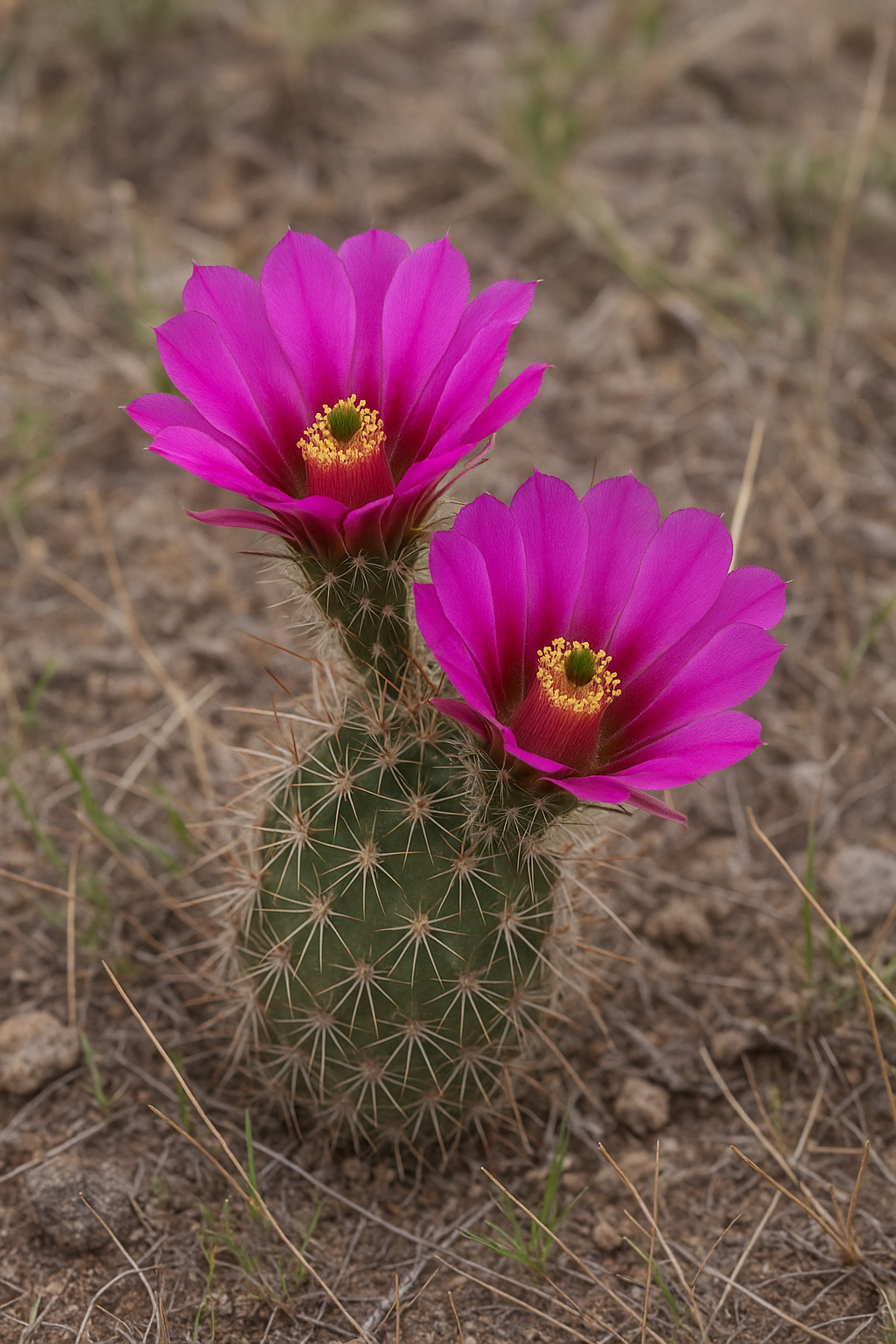
Fendler hedgehog cactus
Echinocereus fendleri
BloomEDU
Identify it today. Know it next time.
Add Fendler hedgehog cactus to BloomEDU and a short quiz tomorrow will check if the name stuck.
Get BloomEDU — add Fendler hedgehog cactusFree · iOS · Android
**Identity & Classification**
Echinocereus fendleri — common names: Pinkflower Hedgehog Cactus, Fendler’s Hedgehog Cactus. - Kingdom: Plantae
- Clade: Angiosperms → Eudicots
- Order: Caryophyllales
- Family: Cactaceae
- Genus: Echinocereus
- Species: E. fendleri
Taxonomic notes: The species is named for Augustus Fendler. The taxonomy of Echinocereus fendleri is complex and unsettled; different authors recognize varying numbers of infraspecific taxa (reports cite as many as eight varieties). Because circumscription and variety-level names vary among treatments, consult regional floras or specialist databases for the most current varietal concepts. **Physical Description**
A charismatic little hedgehog cactus, best known for its conspicuous pink blooms. Key characteristics:
- Growth form: Typically a clumping cactus of cylindrical stems (often forming small clusters rather than single tall columns). - Stems: Succulent, ribbed, and cylindrical — stems are spiny and bear areoles (the cushion-like structures that produce spines and flowers). - Spines: Radial and central spines present; spine color and density can vary among populations and varieties. - Flowers: Showy, funnel-shaped, vivid pink to magenta flowers (hence the common name). Flowers open during daylight and are a conspicuous spring/summer display. - Fruit & seeds: Produces fleshy fruit following flowering; specific fruit color and size can vary with variety. Note: Precise stem heights, rib counts, spine counts and flower dimensions can vary among recognized varieties; this species shows appreciable morphological variation. **Habitat & Range**
- Geographic distribution: Occurs in the Southwestern United States and Northeastern Mexico; it is most commonly reported from New Mexico. - Typical habitats: Found in desert and woodland settings. Echinocereus species, including E. fendleri, are often associated with well-drained, rocky sites, but local habitat preferences can vary by population and variety. - Microhabitat notes: Individuals are frequently encountered on rocky slopes, among limestone or sandstone outcrops, and in open patches within pinyon‑juniper or desert scrub — where drainage is good and competition from taller plants is reduced. Because regional records and taxonomic concepts differ, consult local floras or herbarium records for finer-scale distribution and habitat details in a specific area. **Ecological Role**
- Pollination: The bright, daytime-opening flowers of hedgehog cacti are adapted to attract pollinators. Echinocereus species are commonly visited by native bees and other daytime pollinators; specific pollinator species for E. fendleri may vary regionally. - Food web contributions: Flowers provide nectar and pollen; fruits serve as a food resource for wildlife and likely contribute to seed dispersal by animals. - Ecosystem function: As a succulent perennial in arid and semi-arid systems, E. fendleri contributes to local plant diversity, offers microhabitats (shade, shelter) for small animals and invertebrates, and participates in nutrient and water cycling typical of desert/woodland flora. Specific mutualisms or obligate relationships for E. fendleri are not universally documented; interactions may vary by locality. **Human Uses & Cultural Significance**
- Traditional uses: Specific traditional or medicinal uses of Echinocereus fendleri are not well-documented in the literature I’ve reviewed. Do not assume applied uses without reliable ethnobotanical sources. - Horticulture: Like many showy-flowered cacti, E. fendleri is appreciated by cactus collectors and native-plant gardeners and is cultivated for its attractive pink blooms and compact, clumping habit. - Modern applications: Primarily ornamental and educational (display in rock gardens, desert gardens, and collections). No well-documented modern medicinal or commercial commodity uses should be asserted without primary sources. **Interesting Facts**
- Named for a plant collector: The species commemorates Augustus Fendler, an important 19th-century plant collector — a neat reminder that many plant names are little history capsules. - Flower drama: The bright pink, funnel-shaped flowers are showstoppers in bloom season — designed to advertise nectar and pollen to daytime pollinators. - Taxonomic roller-coaster: The variable morphology across populations has led to differing opinions on how many varieties or subspecies to recognize — a neat case study in how species concepts are applied in cactus taxonomy. - Classic cactus adaptations: As a succulent, E. fendleri stores water in its stems and bears spines (modified leaves) that reduce water loss, offer some shade, and deter herbivores — classic desert survival gear. - Collector-friendly: Its attractive blooms and clumping habit make it a favorite among native-plant and cactus enthusiasts — but wild populations should not be harvested; always source plants from reputable nurseries or seed suppliers.
From Instagram